Thyme Drink for Cough
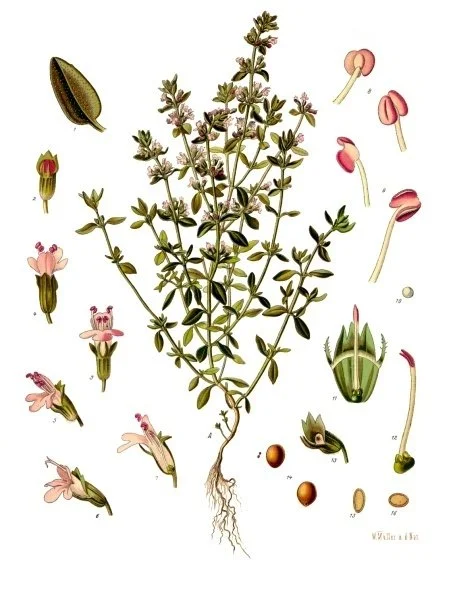
Thymus vulgaris
A simple herb and skill go a long way.
There is a difference between buying relief and knowing how to make it. Most people keep paracetamol in a drawer and assume the rest will always be available at the pharmacy.
But cough is one of those ailments that returns season after season.
Thyme has been answering that cough long before branded syrups existed. In this article I teach you how to make it, focusing on the skill so you can apply it to various purposes.
Why Thyme Works
Thymus vulgaris contains thymol and carvacrol, compounds studied for their antimicrobial and mild antispasmodic effects. In practical terms, thyme can help loosen mucus and calm the reflex that keeps the chest tight and irritated. In Europe, thyme preparations are officially recognized by bodies like the European Medicines Agency (EMA) for productive coughs tied to colds. The HMPC supports it as a traditional expectorant based on long-standing use and data. It's not a cure-all or antibiotic replacement, and most coughs are viral and self-limiting anyway, but it offers gentle support when suppression isn't the goal.
It’s especially good for:
• Dry, hacking coughs that won’t quit
• Mucus that feels glued in your chest
• Early cold/flu scratchiness
• That post-cold-air throat burn
Basic Thyme Drink
This is the entry-level skill. Master it once and you understand 90% of herbal teas and infusions.
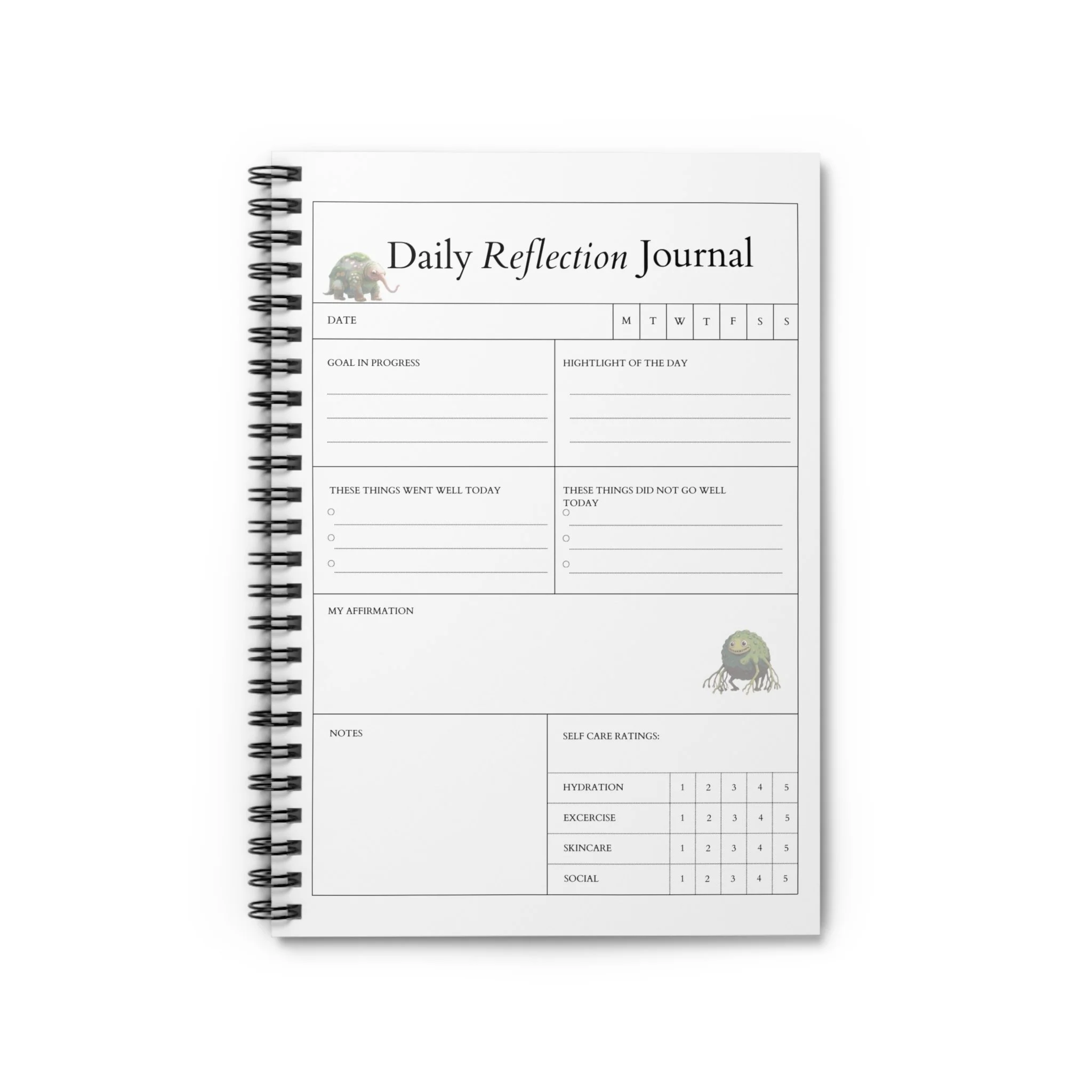
Daily Reflection Journal — Spiral Ruled Notebook for Gratitude, Goals & Wellness Tracking
A compact spiral notebook designed for daily reflection and mindful tracking. The ruled 90gsm pages offer smooth, reliable writing for notes, goals, and small reflections. With a printed front cover and a dark grey back cover, it looks tidy on a desk or tucked into a bag. The metal spiral binding lays flat for easy writing and allows pages to be removed cleanly. An inside back document pocket keeps loose notes or receipts organized while the 6" x 8" size makes it portable without sacrificing space for thought. Thoughtfully structured pages help users capture intentions, track small wins, and reflect on the day in bite-sized entries.
Product features
- 118 ruled pages (59 sheets) of 90gsm paper for smooth writing
- Metal spiral binding that lays flat and allows easy page removal
- Document pocket on inside back cover for receipts or loose notes
- Sturdy 350gsm covers with front print and dark grey back cover
- Compact 6" x 8" size — portable and desk-friendly
Care instructions
- Use a soft, clean and dry cloth to gently brush any dust or dirt off from the center of book outwards.
You need:
1 tbsp dried thyme (or 2 tbsp fresh)
250 ml boiling water
Optional: honey (once cooled a bit)
Optional: lemon slice for vitamin C
Method:
Pour boiling water over the thyme in a cup or teapot.
Cover immediately—essential oils are volatile; don't let them escape into the kitchen air.
Steep 10–15 minutes.
Strain. Add honey/lemon when it’s warm (not boiling! To preserve the honey’s goodies).
Sip warm, up to 3× daily.
Cover your cup immediately after pouring the water. Thyme's medicinal power comes largely from volatile oils, tiny molecules that evaporate the moment they meet heat.
If you leave the cup uncovered, those oils escape as steam into your kitchen instead of staying in your drink. What's left is weaker, less effective.
Covering traps the steam, forces the oils back into the liquid, and gives you the full strength infusion you're after.
Thyme Cough Syrup (For Longer Shelf Life)
Syrup equals stronger infusion plus sweet preservative. Honey works beautifully here with an antimicrobial bonus.
You need:
2 tbsp dried thyme
300 ml water
150–200 g honey
Method:
Simmer thyme in water gently for 10 minutes (low heat—don't boil away the volatiles).
Steep another 10 minutes off heat.
Strain while warm.
Stir in honey until dissolved.
Pour into a clean glass jar. Fridge it. Use within 1 week.
Take 1 tablespoon up to three times daily for adults, half that for children over 1 year.
Never give honey to infants under 1 year due to botulism risk.
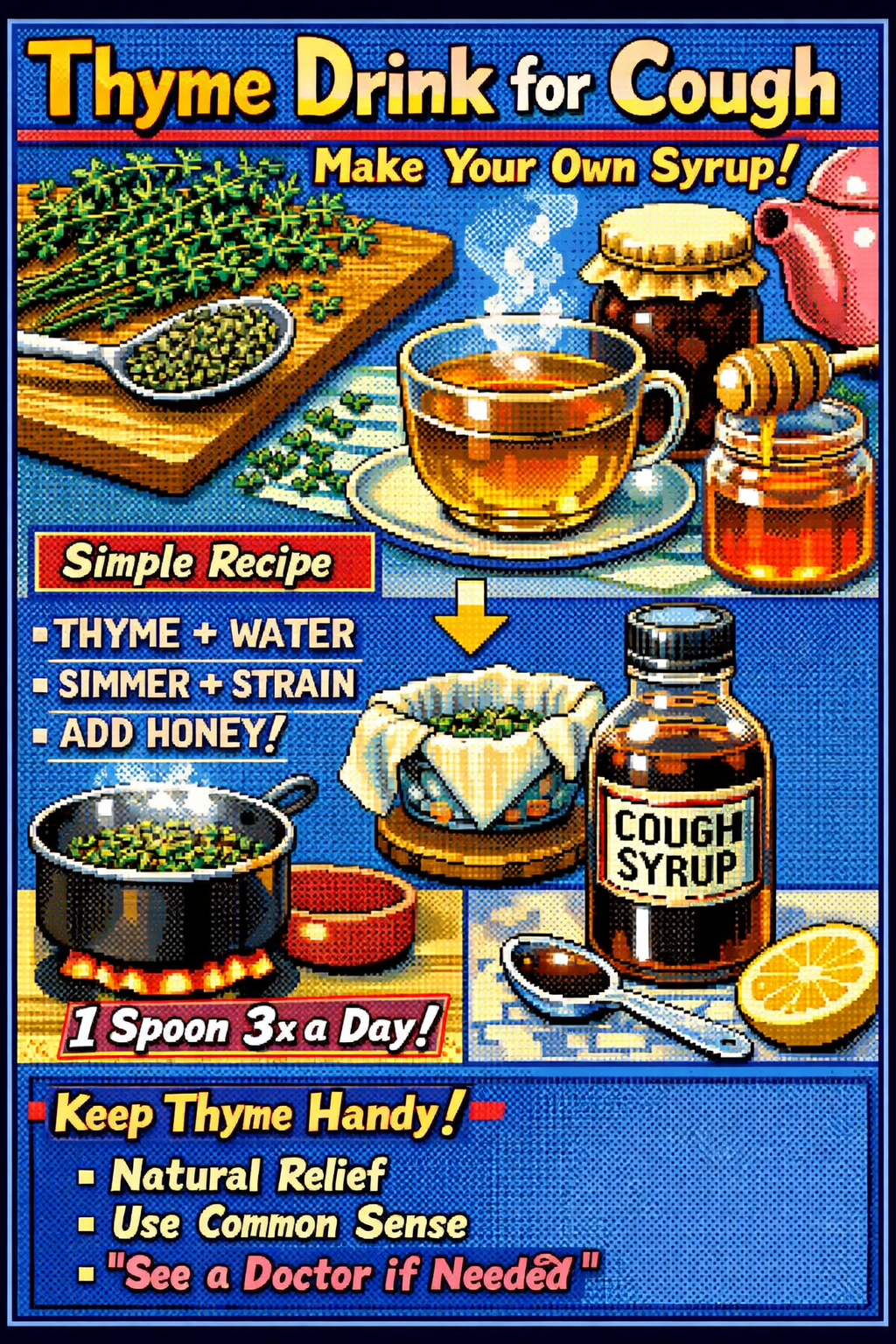
The Template You Can Reuse Forever
What you've just learned isn't only a thyme recipe. It's a formula you can apply to dozens of other herbs.
Steep any herb in hot water long enough and you get an infusion. Concentrate that infusion by using more herb or less water, then preserve it with honey or sugar, and you have a syrup that lasts longer in the fridge.
This same process works for plantain leaf, which soothes irritated tissues and works especially well for dry coughs.
Or marshmallow root, which becomes mucilaginous when steeped and coats inflamed throats. The method stays the same. Only the plant changes.
Remember that herbal remedies support your body through minor, self-limiting illness. They will not replace antibiotics when bacterial infection requires them.
Why This Skill Matters
Knowing how to make a basic herbal preparation gives you autonomy. It also changes how you see medicine. Instead of a finished product on a shelf, it becomes process, proportion, patience.
To me, there is something grounding about standing in a kitchen, steam rising from a cup, thyme releasing its scent. Knowing I'm not fighting illness with panic, but responding with knowledge.
Safety and Common Sense
Thyme is generally safe in culinary amounts. Still, avoid concentrated essential oil internally unless supervised, be cautious during pregnancy, and stop if allergic reactions occur.
Persistent cough longer than three weeks, high fever, shortness of breath, or blood in sputum requires medical evaluation.
The next time a cough settles in, you'll have a choice. You can head to the pharmacy, or you can walk to your kitchen, measure out a tablespoon of thyme, and steep it for fifteen minutes.
Both work. But only one teaches you something you can use again and again. Only one gives you the kind of knowledge that doesn't run out when the shops are closed or the shelves are empty.
A jar of dried thyme costs less than a single bottle of cough syrup. It lasts months if stored properly. And the skill you learn making it applies to dozens of other herbs and dozens of other purposes.
That's worth more than convenience. That's competence.