
A Field Guide to Formula 1’s Year Zero
Whatever you know about Formula 1, The Unofficial 2026 F1 Season Almanac: A Field Guide to the New Era of Grand Prix Racing asks you to forget most of it. The rules are changing dramatically for the 2026 season.
Positioned not just as a season preview but as a survival guide to a "factory reset" of the sport, this almanac details how the 2026 regulations have fundamentally rewritten the laws of physics that teams must obey.
The 2026 Formula 1 season feels like the sport finally woke up and decided to be fun again. For years we watched heavy wide cars follow each other in high-speed parades relying on DRS for excitement.
Now the FIA has thrown out the old playbook.
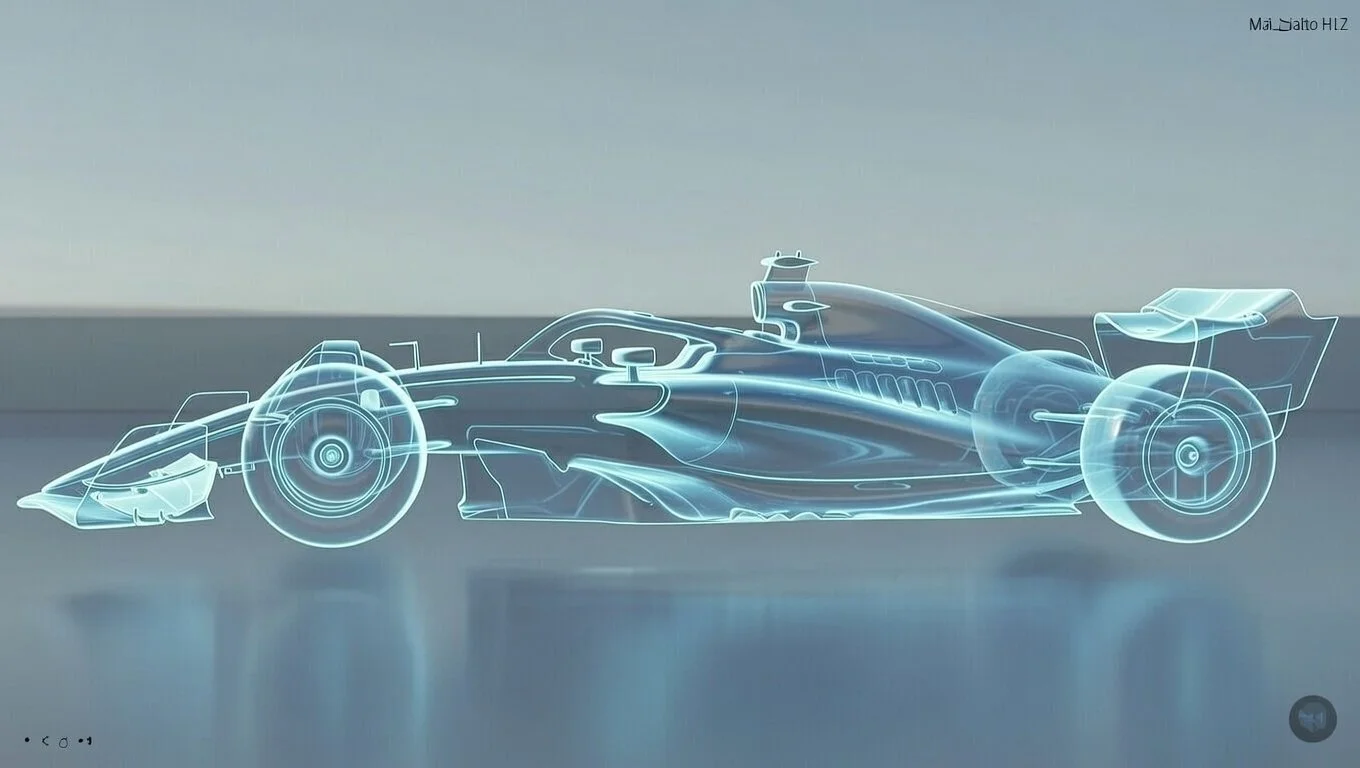
The cars are smaller lighter and genuinely nimble. Minimum weight drops thirty kilograms to 769 kg width shrinks ten centimeters to 1900 mm and wheelbase shortens twenty centimeters to 3400 mm.
Narrower tyres cut drag and help the cars rotate quicker through tight corners. Street tracks like Monaco and Baku should finally allow proper overtaking instead of prayers.
However, the book argues that the true revolution is hidden beneath the chassis. The almanac vividly explains the "50/50 Revolution" in power units.
The complex MGU-H system is gone, and the combustion engine’s power has been deliberately slashed from 550kW to 400kW.
To compensate, the electric motor (MGU-K) has been transformed into a weapon, tripling its output to 350kW.
This creates a 50/50 power split between fire and electricity, turning every lap into a "high-speed math problem" where energy management matters more than raw speed.
The book details the death of the Drag Reduction System (DRS) and the birth of "Manual Override" (MOM).
One compelling section details the death of DRS and the birth of "Manual Override" (MOM). This system introduces the "Killzone," a stretch of track where a chasing car can deploy massive electrical boost to 337km/h while the leader hits a power ceiling at 290km/h. Drivers who mismanage their energy face "clipping," a sudden power loss that leaves them defenseless.
Beyond technical changes, the almanac profiles major grid shifts. Audi has taken over Sauber, and Cadillac marks the first expansion to an 11th team in years. Red Bull has severed ties with Honda to become a full engine manufacturer with Ford.
The book also predicts internal team battles. Ferrari faces potential tension with Lewis Hamilton's arrival alongside Charles Leclerc.
McLaren must manage the dynamic between Lando Norris and Oscar Piastri.
Ultimately, The Unofficial 2026 F1 Season Almanac paints a picture of a sport moving from a procession to a pack of "restless predators".
By stripping away the engineering safety nets and forcing drivers to wrestle with active aerodynamics and volatile power units, the book suggests that the 2026 season will be a chaotic, unpredictable, and thrilling era for the fans
He is Austrian, 6'5", speaks five languages, commands a $6 billion empire, and was once photographed at the No Time to Die premiere. The analysis has been done. The verdict is in.