
Metaxa in the Kitchen: What It Is and How to Use It
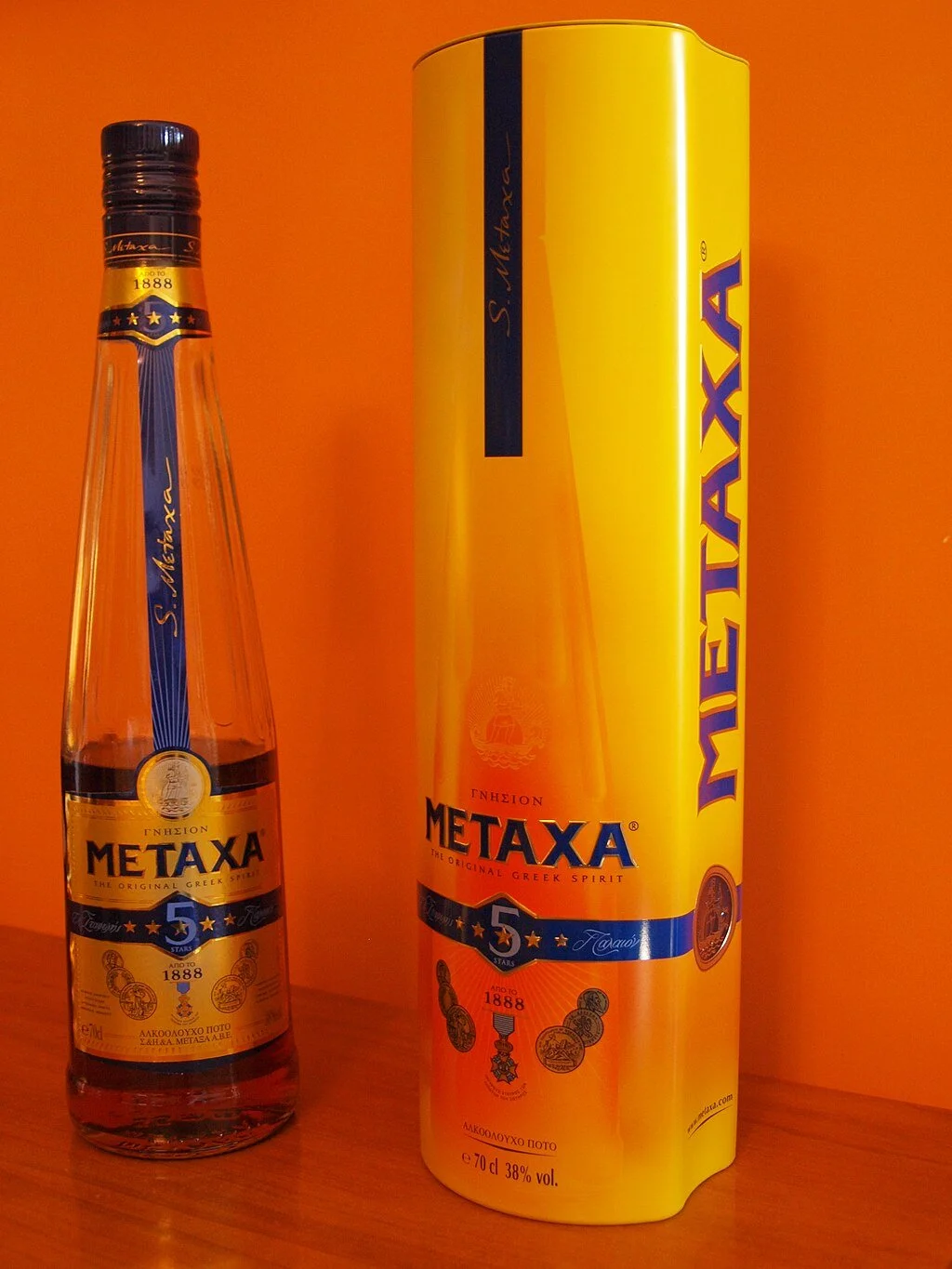
Tolisr, CC BY-SA 3.0 <https://creativecommons.org/licenses/by-sa/3.0>, via Wikimedia Commons
When I mention flambéing with Metaxa in my tomahawk steak recipe, people usually ask two questions. What is Metaxa? And why use it instead of cognac?
Fair questions. Here's what you need to know.
What Metaxa Actually Is
Metaxa is a Greek spirit that doesn't fit neatly into categories. It's made by blending aged wine distillates with Muscat wines from Samos and Lemnos, then infusing the mixture with Mediterranean botanicals including rose petals and anise. The result tastes like brandy's smoother, slightly sweeter cousin. Not syrupy like liqueur. Not harsh like some cognacs. Just rounded, aromatic, and warm.
The age classifications matter in the kitchen. Metaxa 5 Stars (aged three years minimum) works well for everyday cooking. Metaxa 7 Stars (aged five years) has more depth and is what I keep for flambé work and pan sauces. Metaxa 12 Stars (aged at least ten years) is wasted in cooking unless you're making something where the spirit itself is the star. The stars indicate age and complexity, not alcohol percentage, which sits around 38-40% ABV across the range.
How I Discovered It
My first encounter with Metaxa was accidental. Early in our relationship, I spent Christmas at my boyfriend's family home. His mother served mussels with a warm sauce that tasted like whiskey cocktail sauce but gentler, more aromatic. I asked what was in it. Metaxa, cream, a touch of tomato paste, fresh herbs.
That dinner taught me something practical. Metaxa behaves differently than cognac or whiskey in cooking. It's sweeter without being cloying, which means you can use it in savory applications without adjusting other ingredients to compensate. The botanical infusion adds complexity that cognac lacks. When you flambé with it, the aroma is noticeably warmer and rounder than brandy.
Kitchen Applications
Metaxa works in any recipe calling for brandy or cognac, but it particularly excels in three areas.
Flambé
The 38-40% ABV is ideal for controlled flaming. It ignites easily, burns clean, and leaves behind caramelized sugars that coat meat beautifully. I use it for steaks, duck breast, and pork medallions. Pour it into the hot pan, tilt toward the flame or use a long match if cooking on electric, let it burn off. What remains integrates into the pan juices.
Pan sauces
Deglaze with Metaxa after searing meat or mushrooms. The slight sweetness balances acidic components like wine or tomato. Add cream and herbs for a classic sauce that needs minimal reduction. The botanicals complement thyme, rosemary, and bay leaf particularly well.
Seafood
This is where it shines. Mussels, scallops, shrimp, and white fish all pair well with Metaxa-based sauces. The Muscat wine component has natural affinity with seafood. Use it the way you'd use white wine, but with more body and aromatic complexity.
Why it stays
Metaxa earned its place through both practicality and meaning. It works because it tastes good and behaves reliably. It stays because it reminds me where it came from.
If you cook with brandy or cognac, try Metaxa 7 Stars in your next pan sauce. The difference is subtle but noticeable. You'll understand why it stuck around.